Wander the Light: Scenic Hiking Trails for Landscape Photographers

Choosing the Right Trail for the Shot

Research with Maps, Apps, and Local Wisdom

Pair topographic maps with satellite imagery and community reports to visualize sightlines, elevation gain, and likely viewpoints. Cross-check AllTrails or hiking forums with ranger station updates for closures, snow levels, and sunrise access gates. Ask local photographers about wind patterns on ridges and notorious bottlenecks. Comment with your favorite research combo and help fellow readers scout smarter, safer routes for that once-in-a-season angle.

Seasonality, Wildflower Blooms, and Fall Color

Wildflowers crest at different elevations weeks apart, waterfalls swell during snowmelt, and larches flame gold just before first snow. Build a flexible calendar that tracks bloom reports, foliage forecasts, and road openings. Trails that seem ordinary in summer can explode with color in shoulder seasons. Subscribe to our seasonal alerts, and share your regional timing notes to crowdsource the most photogenic windows together.

Mastering Light on the Trail

Golden hour warms granite and meadows, while blue hour stretches lakes into calm, reflective planes. On breezy ridges, silver hour—overcast luminance—can reveal texture without harsh contrast. Hike early to crest before first glow, and descend while light softens. Keep a pocket schedule of civil, nautical, and astronomical twilight. Share your favorite timing hack for reaching a summit exactly as color ignites the horizon.

Mastering Light on the Trail

Lenticulars over ranges, valley fog threading conifers, or a squall clearing into sunbreaks can create unforgettable layers. Watch dew point trends, pressure rises after storms, and mid-level cloud forecasts for drama. On trail, pause at saddles and switchbacks to reassess cloud movement. Comment with a weather app you trust and a story of a forecast surprise that became your best frame of the season.
Lightweight Gear that Works Hard

Pack Essentials and Weight Strategy

Start with the Ten Essentials, then weigh every photo item. One versatile body, two compact lenses, and a roll-top dry bag often beat a heavy arsenal. Use a lightweight clip for quick access, and stash microfiber cloths in redundant spots. Ask yourself what you used last trip; leave the rest. Post your absolute must-carry item so beginners can trim weight without sacrificing readiness.

Tripods, Trekking Poles, and Stability

A travel tripod with spiked feet can anchor on scree or boardwalks. When weight is tight, use trekking poles as improvised supports or brace against trees and boulders. Practice controlled breathing during slower shutters. Consider a compact beanbag for awkward ledges. Share your favorite stability hack below—someone will discover a steadier way to shoot that sunrise waterfall on a narrow overlook.

Filters and Minimalist Lens Choices

Carry a circular polarizer for glare and foliage pop, and a 6-stop ND for silky water when clouds race. Wide-to-normal zooms cover most trail vistas; add a lightweight telephoto to compress distant peaks or isolate sunlit ridges. Filter adapters reduce duplicates. Tell us which two-lens combo has carried you through diverse trails without missing the big moment or the intimate detail.

Leading Lines and Foreground Stories

Switchbacks, creek bends, and boardwalk planks naturally guide the eye. Place a textured foreground—wildflowers, patterned rock, or frost—to anchor scale. Shift your stance a few steps for stronger convergences. Kneel, lean, and test diagonals that mirror the hike’s rhythm. Invite readers to share a frame where a humble foreground transformed a decent view into a photograph people remember.

Human Scale Without Losing Solitude

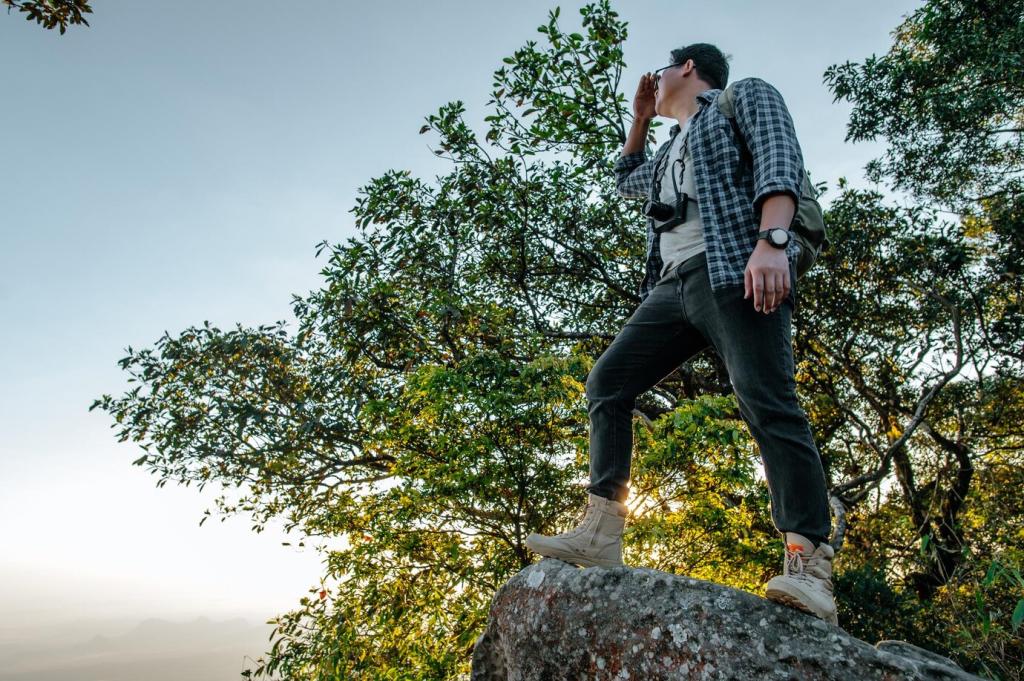
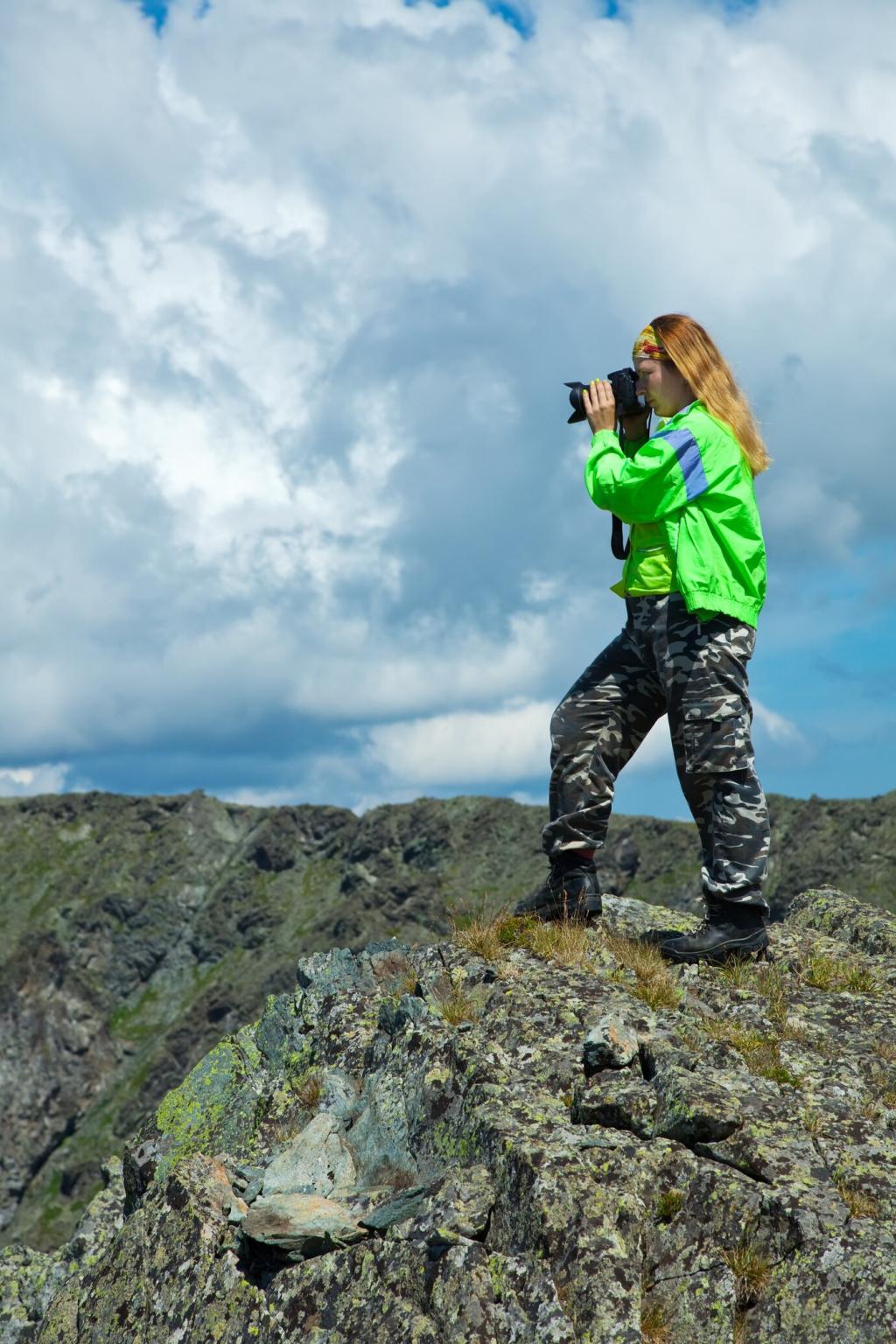
A small hiker in a bright jacket can reveal the sweep of cliffs without turning the scene into a portrait. Ask companions to pause on safe, pre-scouted spots and remain still for slower shutters. Keep respectful distance and avoid blocking others. Post a favorite technique for including people as scale cues while preserving the quiet grandeur that defines wild places.

Vertical Versus Panoramic Frames

Vertical frames emphasize altitude, waterfalls, and towering trees; panoramas stretch ridge lines and lake basins. Decide based on motion and story, not habit. If in doubt, shoot both, then stitch handheld panos with generous overlap. Share a before-and-after crop that changed the emotional center of a composition and tell us why that orientation better matched the hike’s feeling.

Safety, Ethics, and Leave No Trace

Photographers often step backward without looking. Build habits: scan behind you, leash your lens cap, and keep one trekking pole deployed near edges. Pack an emergency bivy, water filter, and extra layers. Leave an itinerary with timing buffers for photo stops. Comment with a safety habit that saved you once—your experience could prevent someone else’s close call.

Safety, Ethics, and Leave No Trace

Use long lenses rather than approaching wildlife. Stay on durable surfaces to protect alpine meadows and cryptobiotic soils. If a shot requires trampling or baiting, it isn’t worth it. Share educational signage or resources from your region so newcomers learn why small choices—like stepping off trail—can echo for decades across delicate landscapes.

Field Workflow and Storytelling

Sketch target frames: trailhead context, first light on the ridge, intimate textures, and a closing wide under twilight. A short, flexible list prevents tunnel vision while keeping key moments in sight. Invite readers to drop their three indispensable trail shots; together we’ll build a community checklist that works from red deserts to mossy coasts.

Field Workflow and Storytelling

Record wind sounds, note cloud movements, and write small sensory details: pine resin, crunching frost, distant thunder. These cues influence color grading and sequence pacing later. Use voice memos when your hands are cold. Share a storytelling trick—music, smells, or words—that helps you reconstruct the lived feeling inside a landscape photograph series.

Field Workflow and Storytelling

On longer treks, daily culling saves batteries and brainpower. Flag keepers, mirror metadata for locations, and back up to a tiny SSD or phone. Apply gentle exposure and color corrections to sanity-check the vision. Comment with your favorite lightweight backup setup so others can travel fast without losing irreplaceable moments to gear failure.

Field Workflow and Storytelling

Lorem ipsum dolor sit amet, consectetur adipiscing elit. Ut elit tellus, luctus nec ullamcorper mattis, pulvinar dapibus leo.

Trail Tales: Three Memorable Frames

We reached the cirque in blue hour, breath curling, water glass-still. A single cloud caught first pink and stitched reflection to peak. I crouched low behind granite ripples, polarizer at quarter turn. The frame felt like silence. Have you met a morning that slowed time? Tell your alpine moment and what small choice made the photograph sing.

Trail Tales: Three Memorable Frames

Lightning retreated, leaving petrichor and a sky split with sunbeams. Sandstone glowed saturated, every crusted ripple alive. A telephoto compressed three ridges into layered geometry, raindrops sparkling like sequins. We waited for wind to settle, then bracketed. Share your best post-storm capture and the safety rule you never bend when thunder chases beauty across the horizon.
Nirvanarise
Privacy Overview

This website uses cookies so that we can provide you with the best user experience possible. Cookie information is stored in your browser and performs functions such as recognising you when you return to our website and helping our team to understand which sections of the website you find most interesting and useful.